Sustainability, world view and how we memorialise the dead

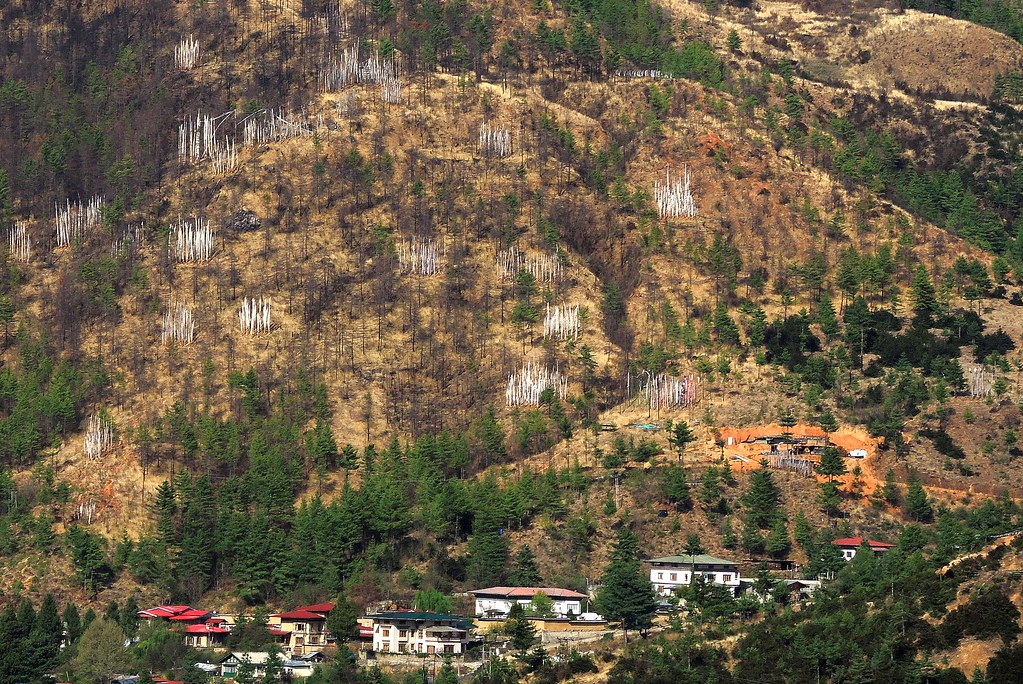
The mountains that surround Thimphu, Bhutan’s capital, are host almost no signs of human interference. The only objects that sparsely occupy the mountainside are colourful prayer flags, the odd monastery buried deep underneath a rocky overhang, and bunches of looming white flags, which resemble dead trees or the sails of abandoned fleets. It is these white flags, and what they tell us about the very interesting world-view which is held here in Bhutan, that I will be writing about today.
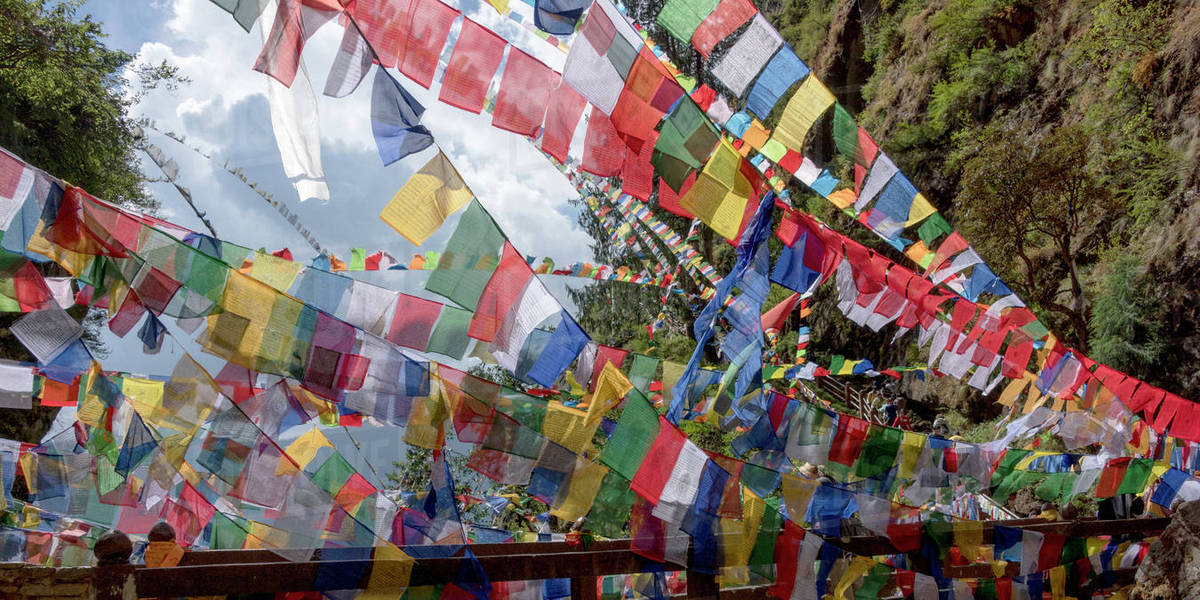
Image result for prayer flags in bhutan
Prayer flags along the mountain path at Yutong La Pass

First a bit about prayer flags. All over Bhutan, from inner-city Thimphu to the most remote corners of the alpine jungle, long lines of coloured flags are flown. The reason for hanging these flags originates from the merit gained from reproducing sacred Buddhist text. The flags are flown in order to disseminate short sutras (prayers) via the Himalayan winds to all sentient beings this wind may pass on its way down the mountain. On bridges, prayer flags (especially the green ones which are water prayers) hang to protect the structure against the water and ensure safe passage for those using it. 
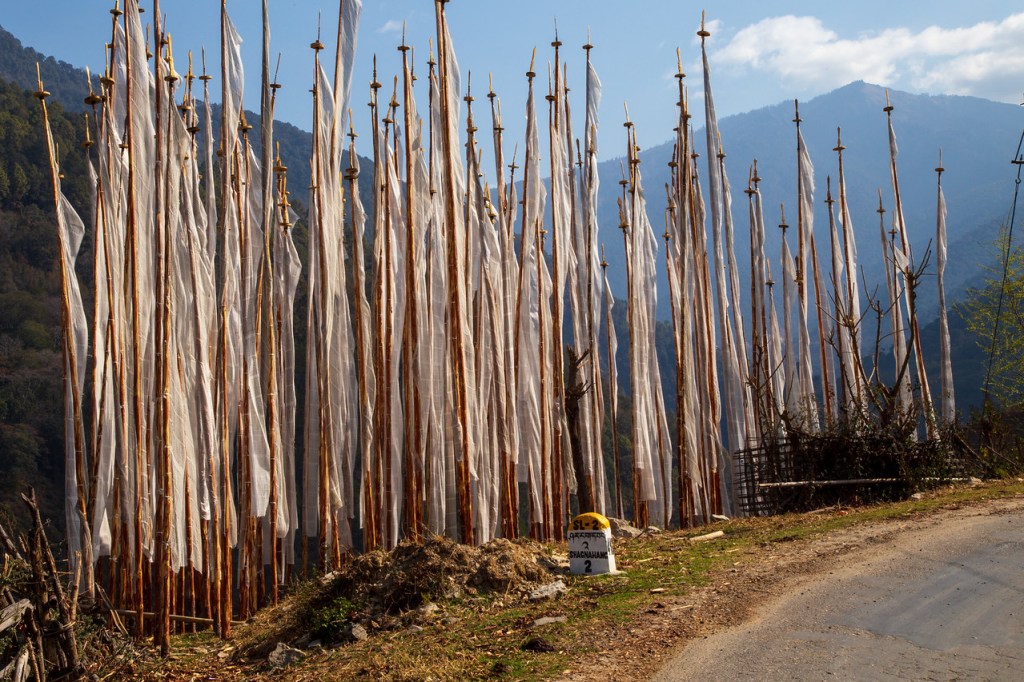
The tall, white flags I told you about earlier are a particular type of prayer flag used to send out prayers of guidance to the deceased. “These prayers”, my roommate Thinley says, “are used to guide the deceased in the 49 days of limbo, where they await judgement. If one’s consciousness is drawn towards sleeping in this life, then they will be reincarnated as a pig. If one’s consciousness is drawn towards aggression and short temperedness, then they will be reincarnated as a snake. For those who fully understand themselves, know who they are, they will be reincarnated as a human. There are six realms one can be reincarnated into within these 49 days: three good (gods, demigods, and humans) and three bad (animal, hungry ghosts, and hell). The realms of god and demigods are reserved for people who those who have accumulated merit (karma) in their lives.” I ask, “Where would Gandhi rank in these realms?” “Gandhi would be outside of these realms along with Buddha and chose to return to the cycle of rebirth (samsara) and the world of suffering (dukkha) to guide people and teach the cosmic law and order (dharma).”
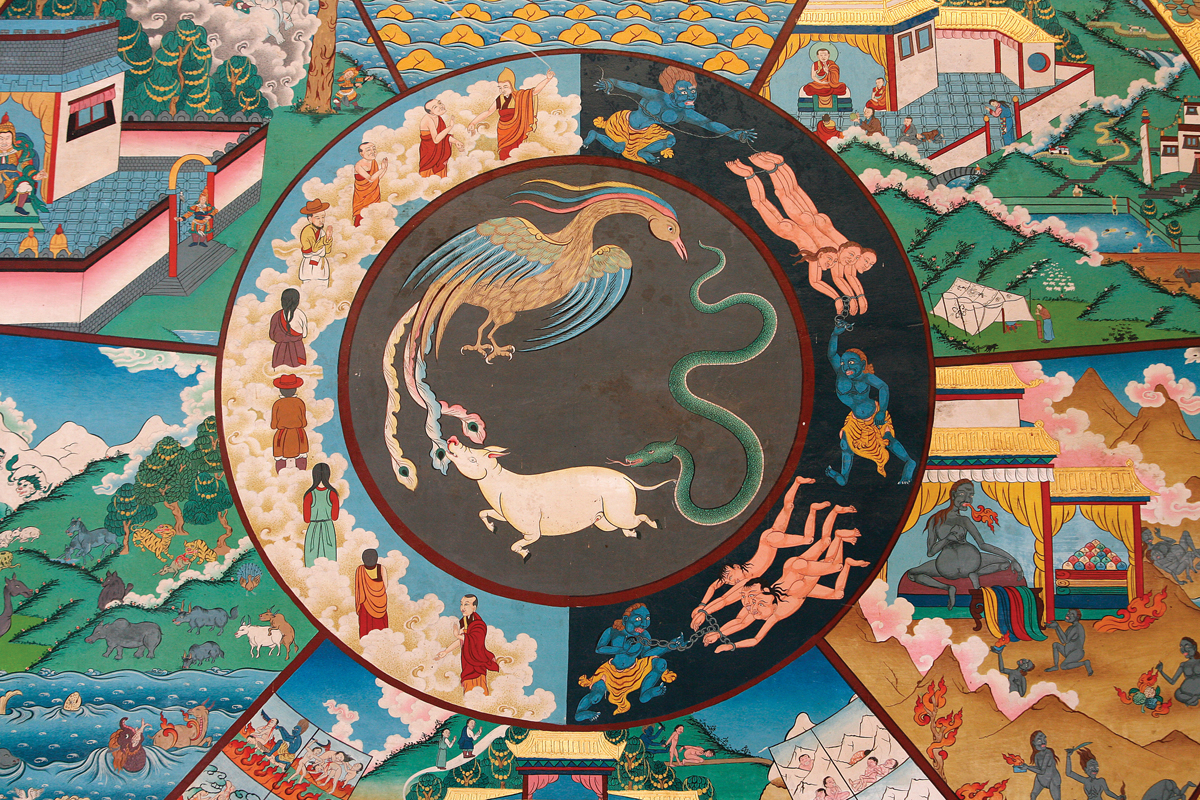
Image result for samsara
Mural of the endless cycle of rebirth (Samsara). Notice the 6 realms, those who are on the path to enlightenment, and the lazy pig and snappy snake.

After some more conversation about death and rebirth I noted down just one more thing Thinley says. This is Buddhist concept of Choe. Choe (pronounced “Chö” for my scandi friends) means the truth of the alignments natural worlds in Dzongkha (the Bhutanese language). When your inner world is aligned with your outside world: that is when you achieve happiness. 

These flags, although noticeable, are part of a landscape, made of material that will sooner rather than later degrade and become part of the earth that lies beneath them. Gravestones on the other hand occupy an often walled off space of land and are made to exist for many hundreds of years after the deceased has become part of the soil and worms. To me these are two very different traditions, especially when we think about permanence and sustainability.

Image result for old gravestones
Gravestones deigned to exist for centuries after the human body it is memorialising  has turned to soil and worms 

Impermanence is a very important concept in Buddhism. Back to Thinley for more definitions from a Buddhist mind. “Impermanence means that everything is temporary, all things that are constructed by the human mind — from radiators to emotions — are impermanent. And for this reason, we should not feel attachment to material things and especially emotions. This attachment to emotions is a major cause of suffering in the world.” 

Sustainability-wise this idea of permanent humans existing outside of an impermanent nature fails, I believe, to correctly describe how humans fit into natural systems. The very thought that we exist outside of natural rhythms is directly counter-sustainability and can be considered an underlying cause of the mass losses in biodiversity and climate catastrophe we see today. It is a central Buddhist notion that, as Thinley said, we suffer because we do not see the world in the correct way: we cling onto that feeling of jealousy of your friend who earns more money than you — we do not fully grasp the concept of Choe. This idea of humans living about or outside of nature is an example of this incorrect view of the world around us which gives rise to suffering through the 60% losses in animal populations since the 70s, the same decade Flo Rida and Kourtney Kardashian were born in. 

Image result for Tsa tsa
Tsa tsas tucked into mountainside caves, ready to be repurposed in earth cycles

The Buddhist thought that we live within earth’s cycles is perhaps best exemplified by how cremation ashes are traditionally treated in Bhutanese Buddhist practice. 108 Tsa Tsas (pictured), or small Stupas, are fashioned out of a blend of cremation ashes and clay from the earth. These are tucked away in cracks and nooks in the mountainside or sites of religious importance. What’s interesting here is one, that what remains of this human body is now mixed with what is no more than earth to become one in the Tsa Tsa. Two, as the Tsa Tsas are exposed to the elements they begin to degrade and sink into the earth that they stand upon to contribute once again to earth’s cycles. This ingrained belief of human-nature interconnectivity that exists here in Bhutan should stand as a great source of inspiration when it comes to how we in the west view our position in the cosmos.  

Just on a final note: I am not trying to take anything away from Christian memorialisation. The religious practice remains just as meaningful, but it is the nature of permanence and worldview that I have tried to address.

On one more final note: I’d like to thank my roommate Thinley (or Chocolate as he sometimes goes by) for the informative, introspective conversations. I will be using Chocolate as reference for reflection on points that I have, or think I have, about the Buddhist mindset in the future. Hopefully I can make you feel a part of the hugely interesting conversations we have. Next up, something about a bike ride, bhutanese mythical fauna or Buddhism 101 and look out for regular updates on pictures with enlightening captions.
Bhutan: where and why?

Before setting off, when telling my friends what I was doing and where I was going , the absent nods and ‘cools’ I received in response lead me to think that people may want to learn a little about Bhutan – starting with which continent it’s in. That was the initial inspiration for making this blog and spreading some Bhutanese wisdom back home. In this post I will allow you to become acquainted with Bhutan with a little history and facts (and a map) and dig a little deeper into why I am here and writing this right now in the rainy Himalayan hills.

Where?

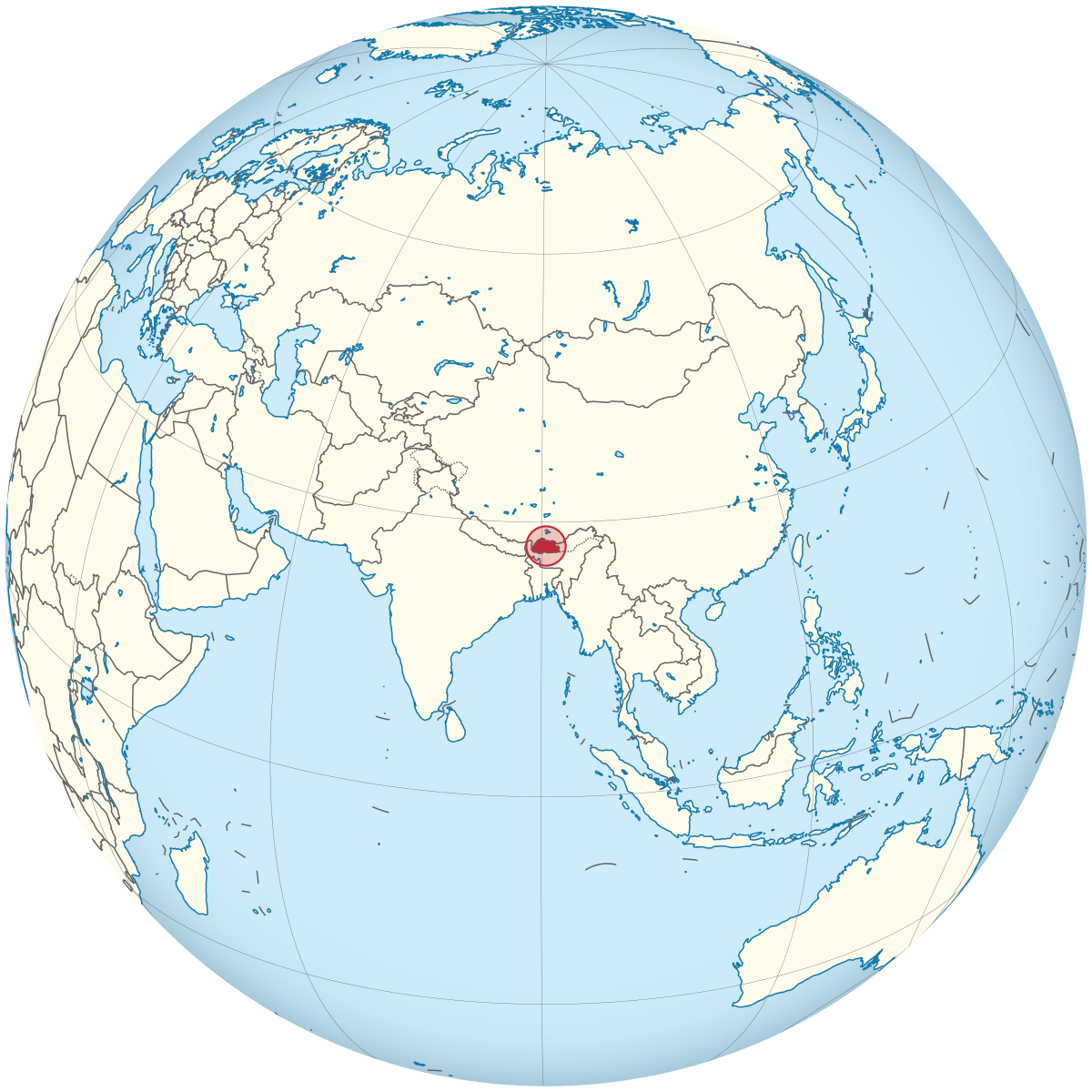
So, for those of you not honest enough to ask where in the world Bhutan is: Bhutan is firmly in asia. Wedged snuggly between the two most populous countries on earth in the Eastern Himalayas. Bhutan is high… very high (and not only because of the many marijuana plants dotted about). The capital Thimphu is the third highest on earth and the northern region contains the world’s highest unclimbed mountain Gangkhar Puensum at 7570 meters.

Bhutan at the center of the world.

Bhutan’s people are culturally similar to Tibetans in that they’re almost exclusively Buddhist which has a recognisable effect on the day to day lives of the population.

Bhutanese people in traditional festival dress (a little more colourful than the day to day national dress: Gho for men, Kira for women).

Bhutan was founded in 747 A.D. when Guru Padmasambhava flew into Paro from Tibet on a tigresses back – a tigress who he also happened to be courting at the time. In the 1600s the Dzongs (districts or settlements which were defined by their central fortress) were unified and Bhutan came to be.

The landing spot for Guru Padmasambhava and his feline steed 2800 years ago – The Tiger’s Nest Monastery, Paro

The “Kingdom” bit was added in 1907 when the first of the Wangchuck dynasty was elected to the throne. Bhutan was not colonised apart from a little disruption in the mid 19th century by those pesky Brits and has therefore had limited cultural influence by external forces. That is not to say that Bhutan has not looked to the developed world for influence. Democracy was introduced in 2007, meaning that power in Bhutan is in theory shared three ways: between the president, king and spiritual leader.

Since then, Bhutan has seen an interesting path of development, lagging slightly behind the rest of the world but with an intelligent and patient approach to societal and economic transformation. This is in part due to the moral landscape of the country and very progressive thinking by the fourth king: His Majesty Jigme Singye Wangchuck. I will expand on this approach to development in the coming weeks as I begin to learn the history of policy and development in more depth.

I think it is important to mention gross national happiness here. I will be going on and on about it in coming posts but, as a starter, here is a talk by an old prime minister on GNH. I will have an entire post dedicated to GNH in the coming weeks, don’t worry!

Why?

Bhutan is home to 800,000 people and is about the size of Switzerland. This small population relative to the area of the country means that Bhutanese people live sparse, low-impact lives surrounded by dense forest and sheer, unadulterated mountain faces (see the view from my bathroom window below).

View from my bathroom window – a real poo with a view.

The low-impactness of living here makes Bhutan the world’s only carbon negative country, something that I will be looking at closely over the coming months. A non-destructive lifestyle, just as what is lived in Bhutan, is the ambition of the tens of millions of people around the world who have taken to the streets for the Climate Strikes and Extinction Rebellion marches earlier this year. With the goal of the European economy – at least in the eyes of the people and the EU – being in essence aligned with what is achieved here in Bhutan (zero carbon emissions), there must be some very interesting reflections how how life in Bhutan could be in part superimposed onto European life. These reflections are the reason that I’m here and will be the core content of this blog. So buckle up and prepare yourself for weekly installments of over optimistic ideas on how to change the world.

Back for good and bugs from my bathroom

Hi. Long time no post.

Very sorry about that. I’ve been struck with a brutal case of writer’s block with the underlying symptom of having far too much fun. After the first two posts I wasn’t too sure whether the blogger life was for me but after months of deliberation I have decided, to the probable delight of my fans (hi Björk!), to get back on the blog bus and keep with it.

In planning my last posts I started to research and got far too excited about the masterpiece I would produce with many references and grandiose theories. But this got me all worked up about the quality of what I’m putting out. This cannot do. A blog is mean to be fun, informal, and not at all grandiose – I will leave that for my thesis.

My method hence fourth will be to sploosh out many words – some good, some bad – and see where that takes me. I feel like the words in the beginning will snowball into some half interesting content that I will kind of trick myself into splooshing without even realising.

A lot has happened in the last umpteen weeks. I have trekked, cycled, cycle raced, competed in a startup competition, danced, learned, been blessed by a Lama, karaoked, camped in the himalayas, thrown up in the himalayas, had an X-ray, read about Buddhism and sustainability and read some more on the parts of Buddhism one takes a lifetime to conceptualise that I am attempting to get my head around in a few months. Aaaand breathe!

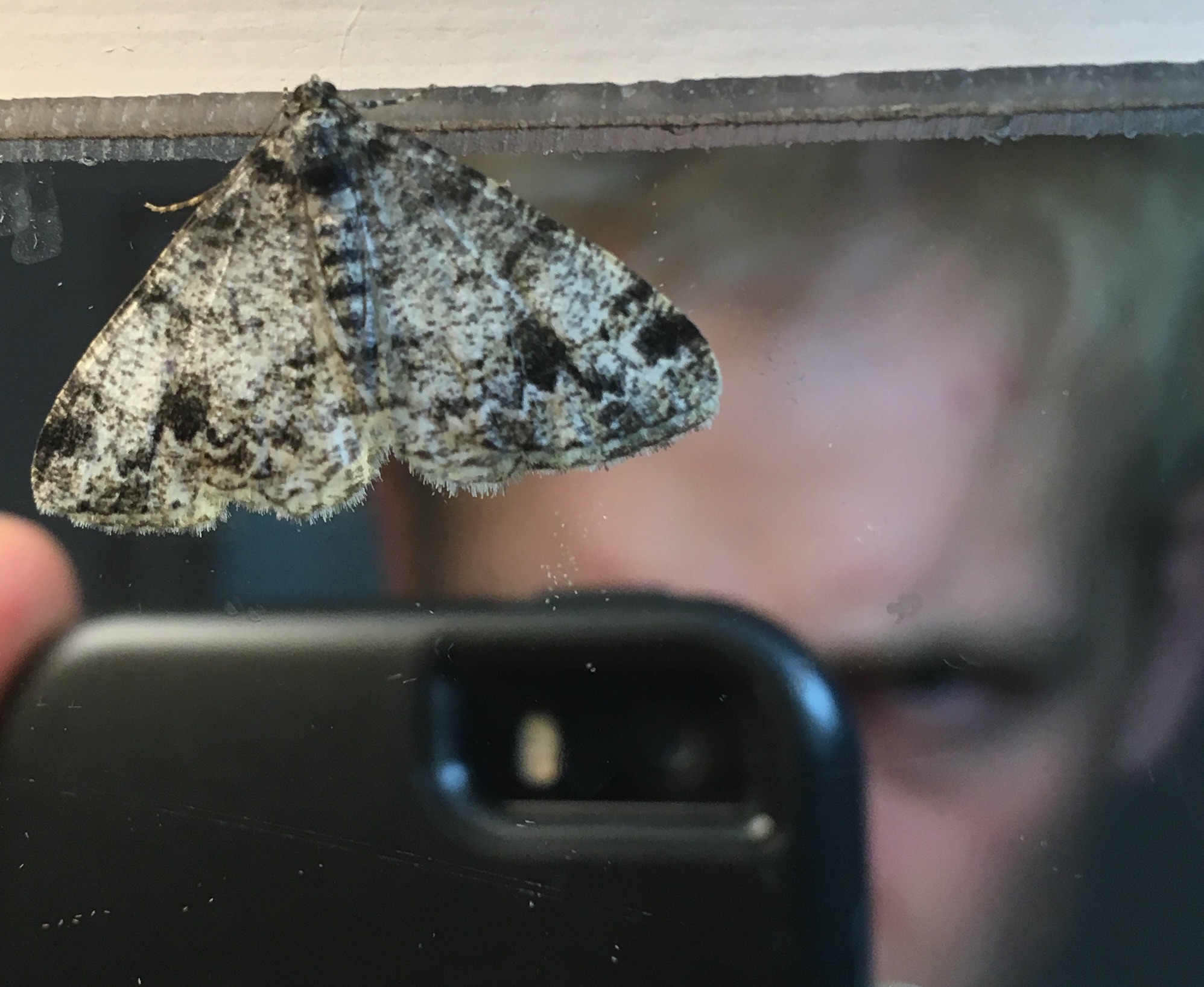
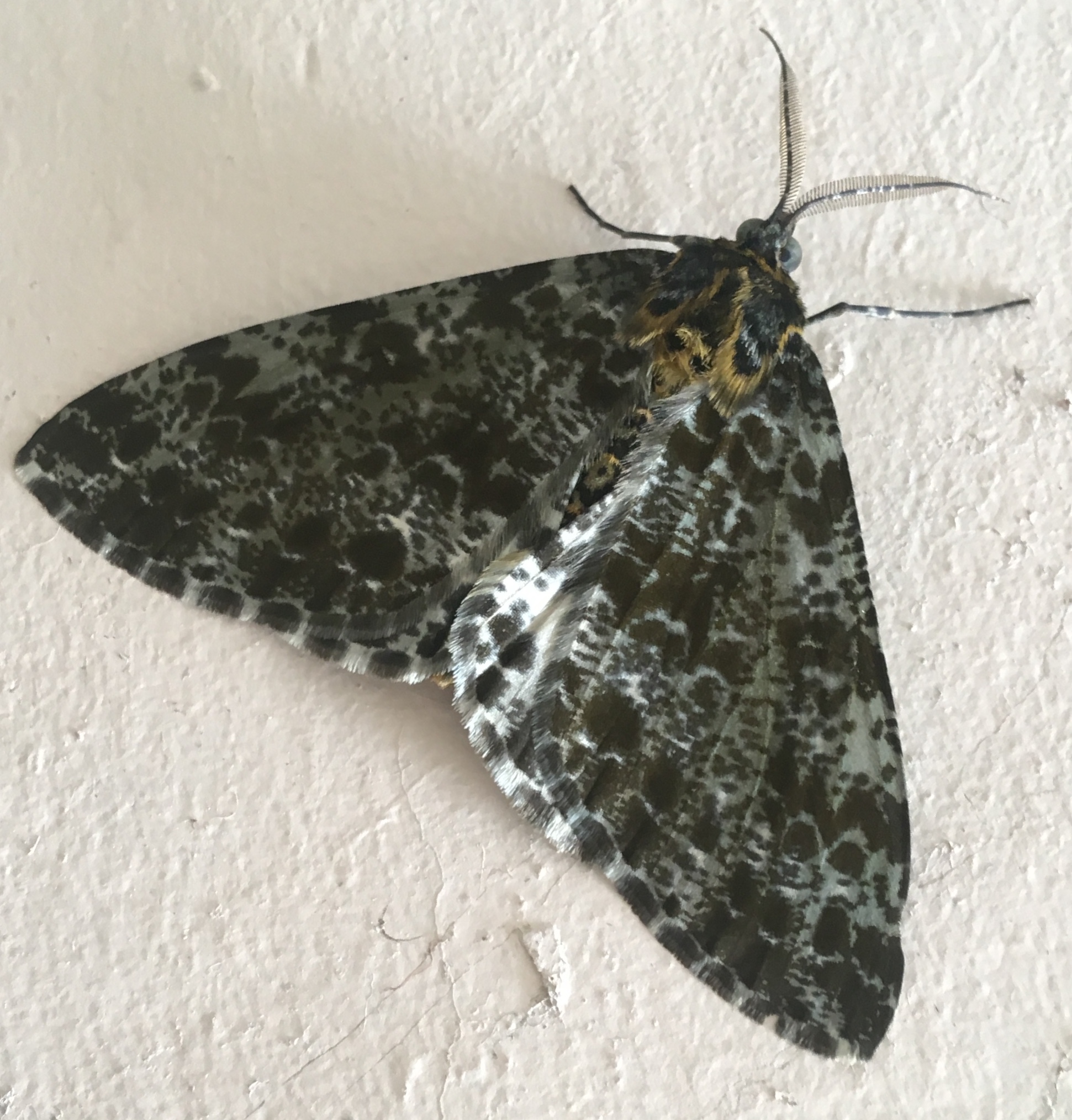
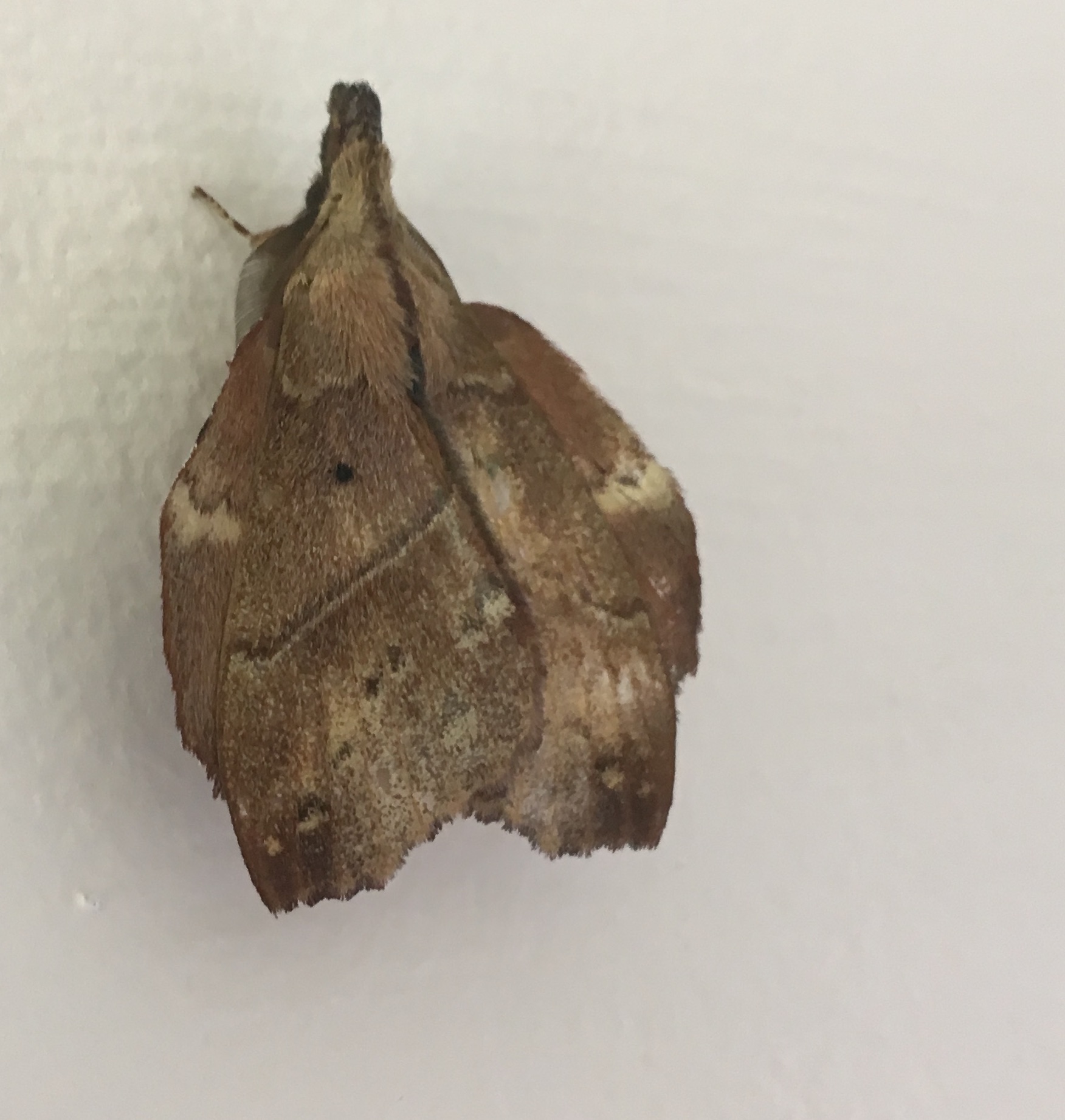
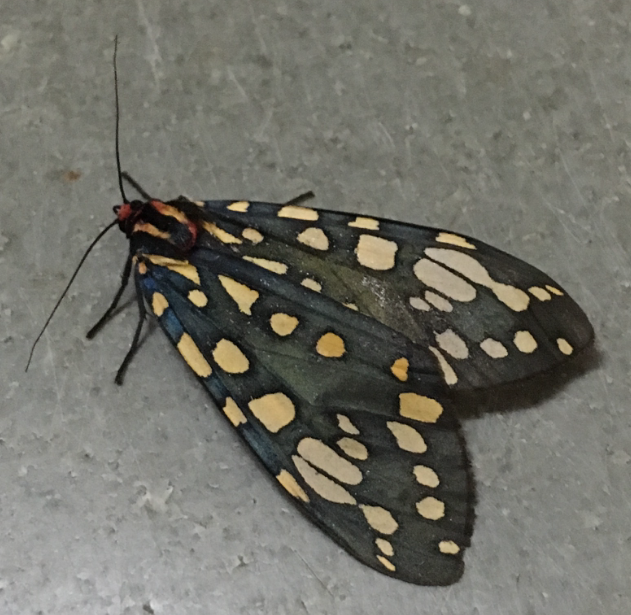
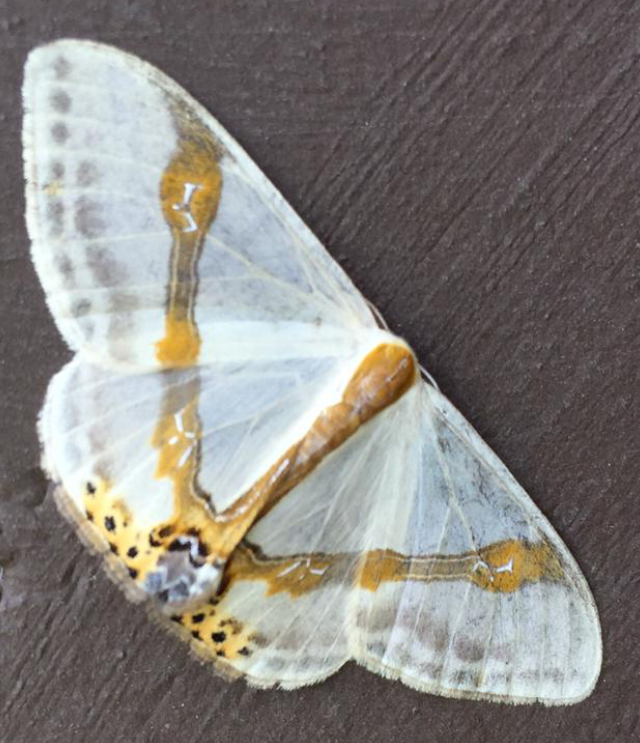
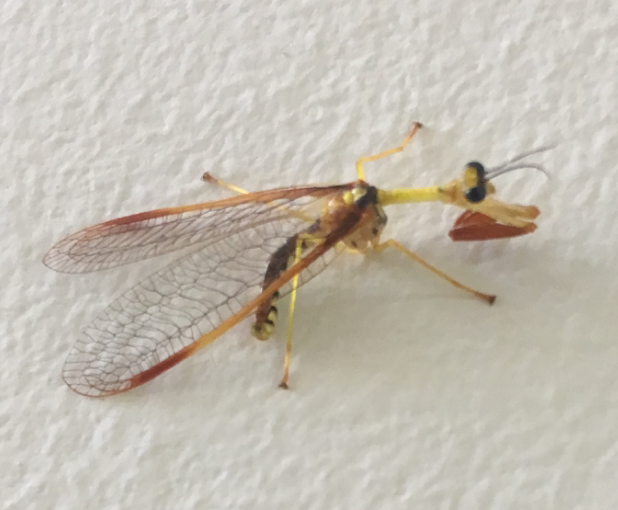
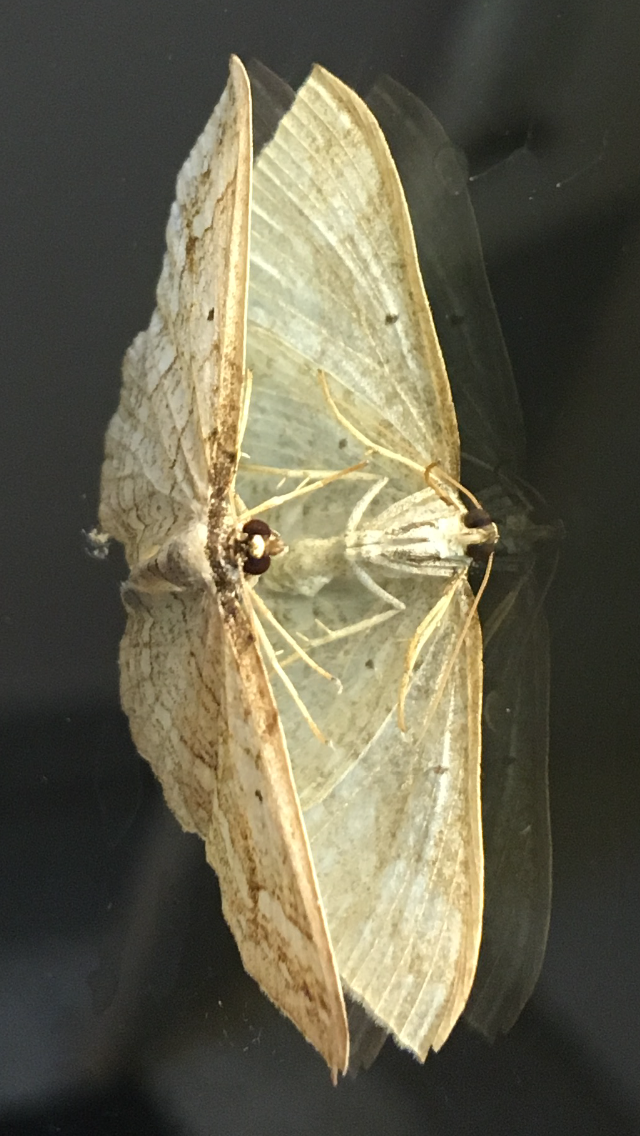
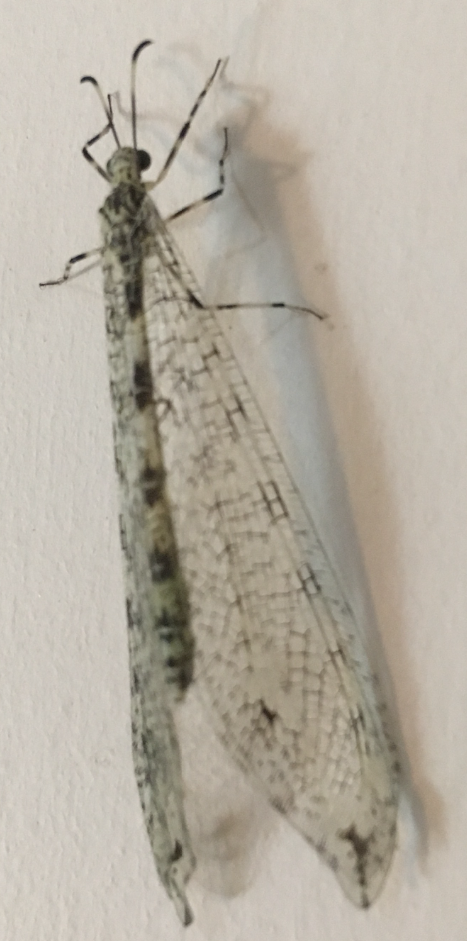
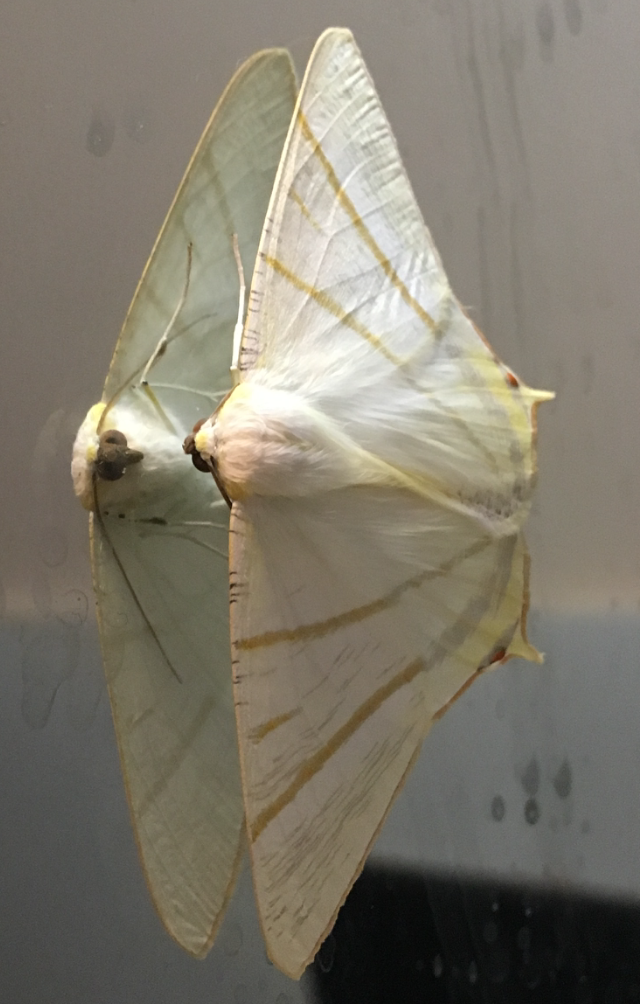
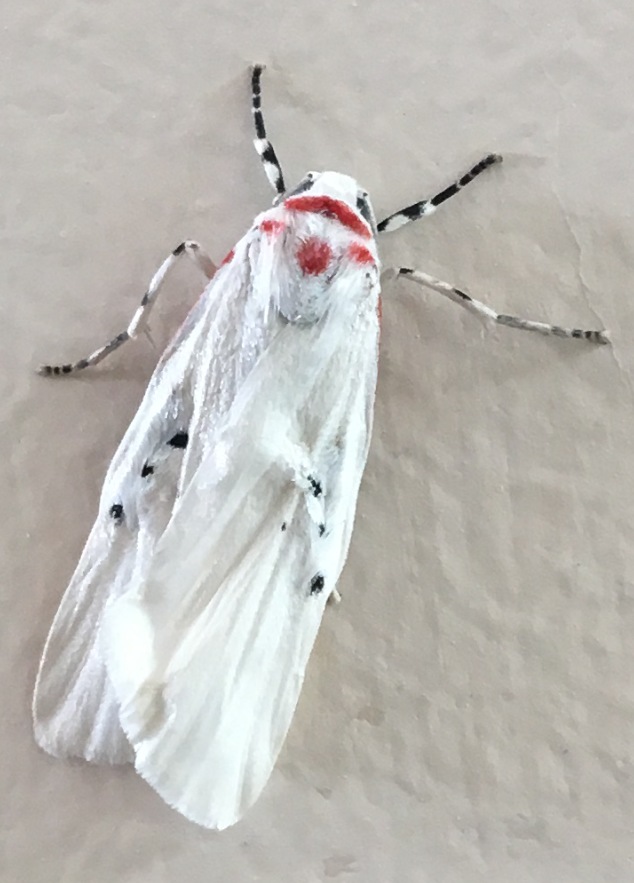
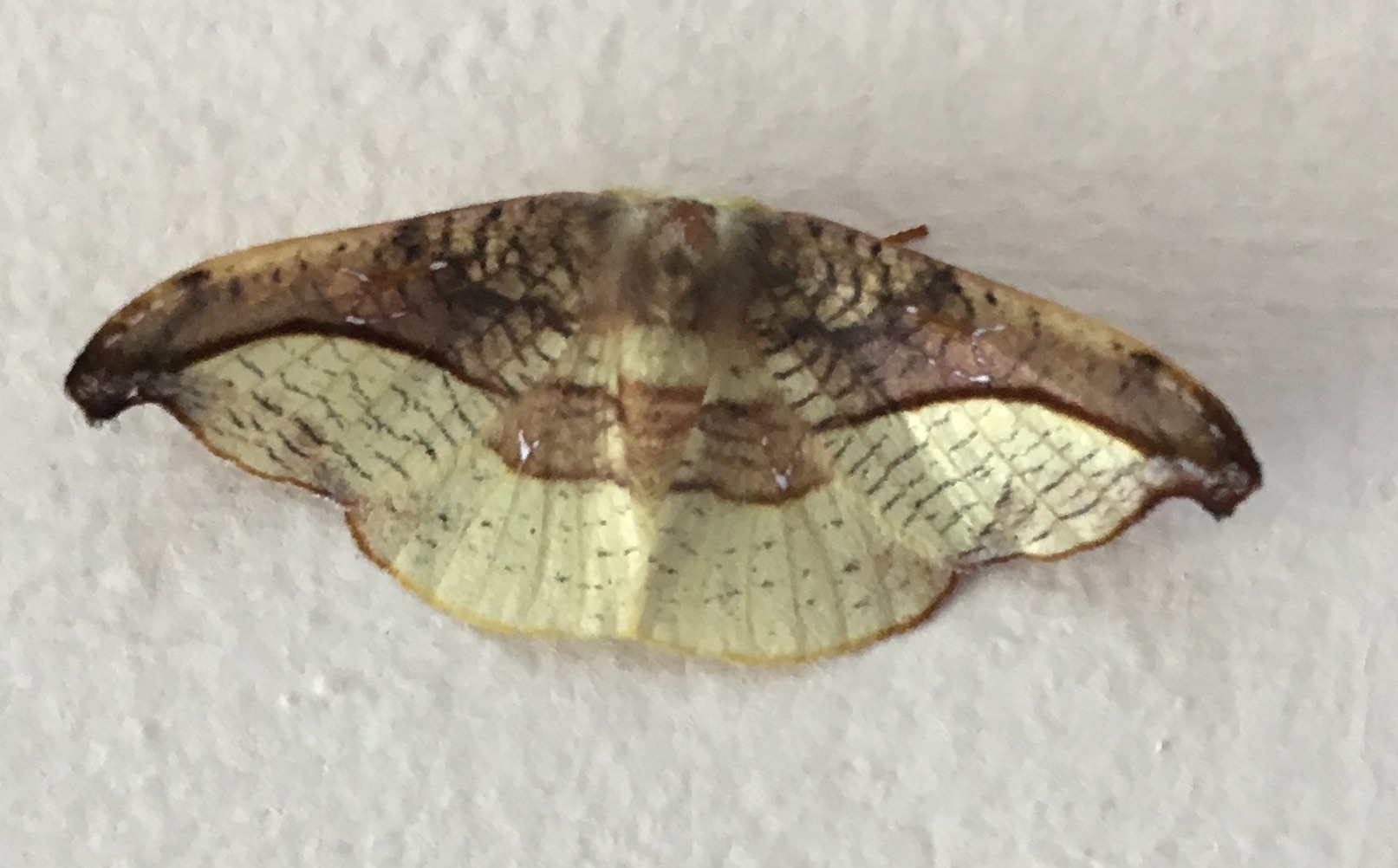
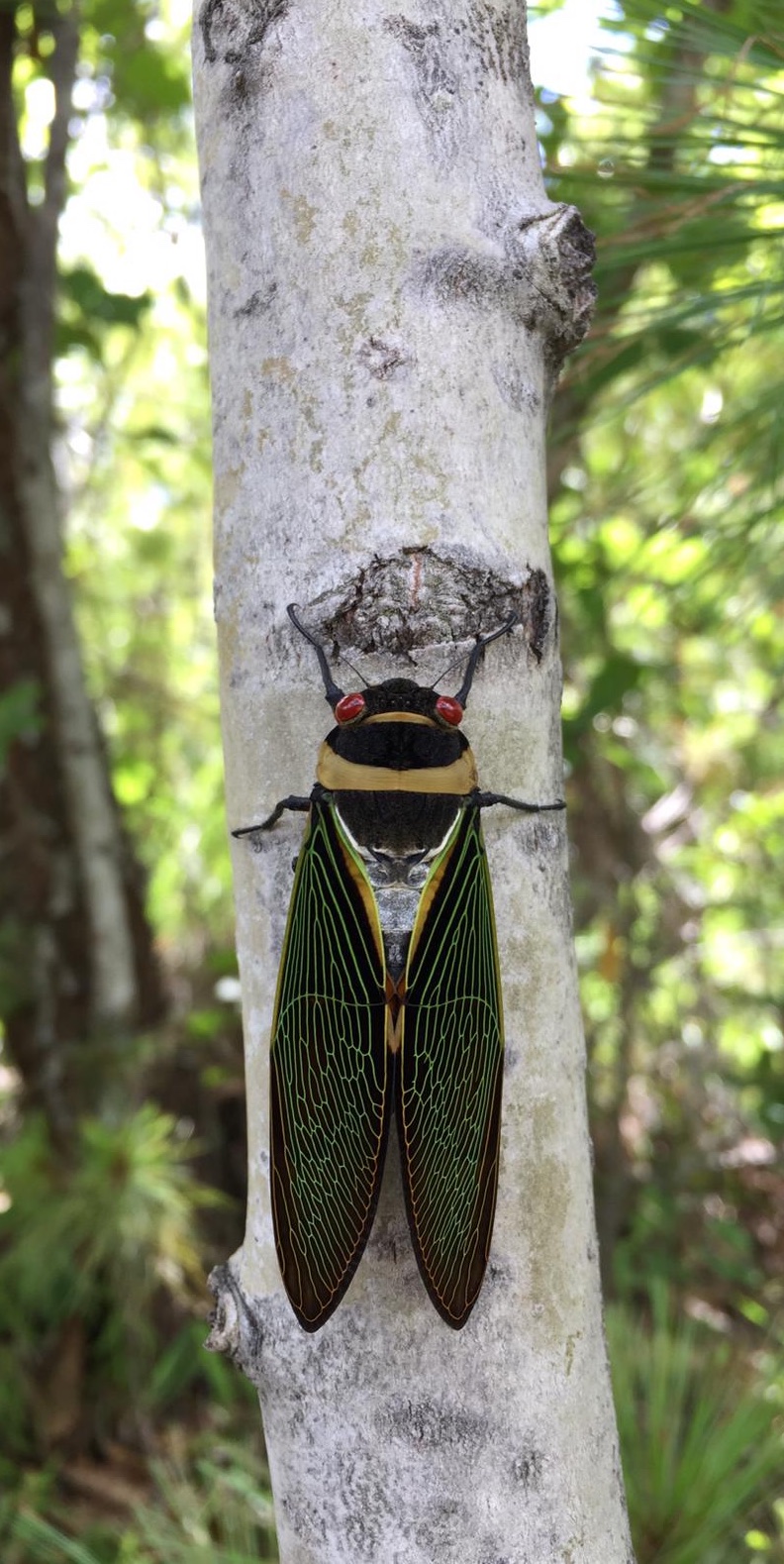
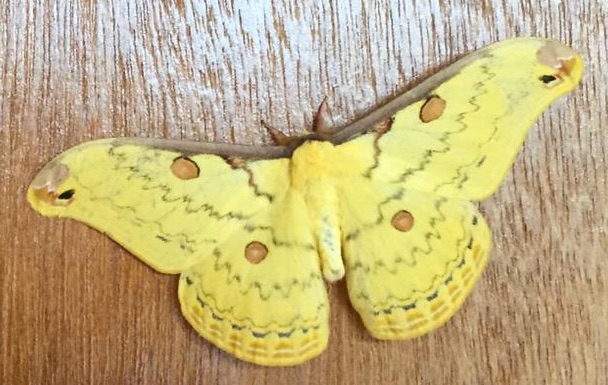
So, as promised some bugs from my bathroom:

Note: “What does this have to do with sustainability?!” I hear you ask. Well, this is a real concrete example – to me at least – as to why we shouldn’t degrade what is around us in order to “develop” or whatever. The diversity of critters that inhabit the toilet cubicle a few meters away from me is, as you will see, pretty astonishing for a humble Brit/Dane. When taking a shower in the morning and the sleeping moths and butterflies ignite and peg it for the open window to escape a sodden doom, I can tell that they’re strong, virile, and happy. Do notice the smiles on their small faces. Not one part of me wants to swat my cohabiting creatures and I have a new feeling of: ‘I don’t want to do something that comprises their existence’. Anyway, here they are:

A brief introduction

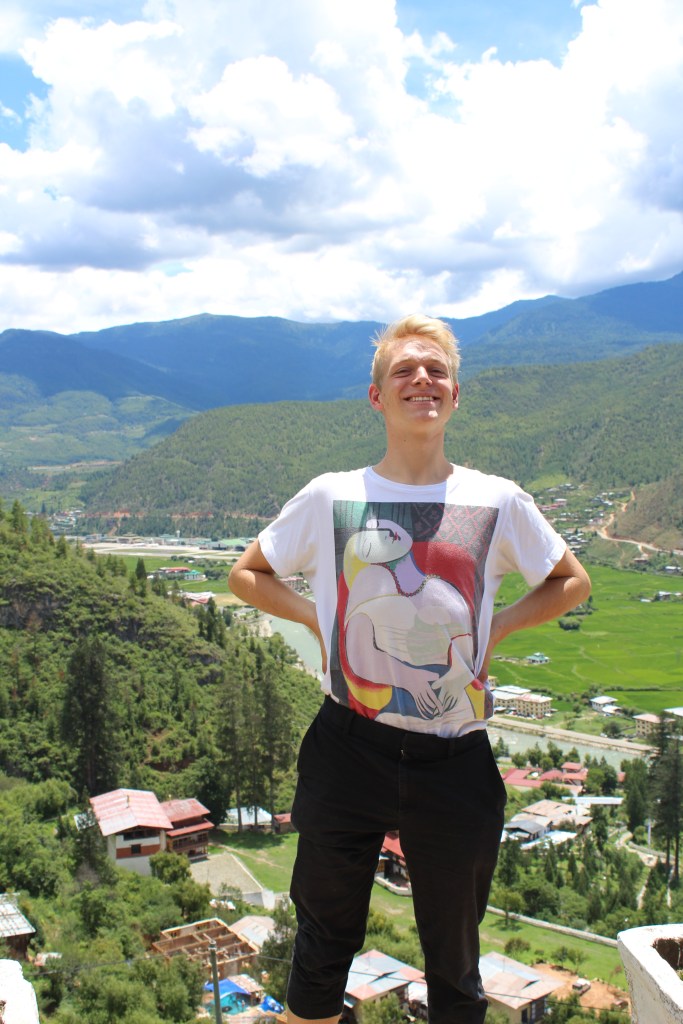
I am Oscar. This is my Bhutan blog. This is me. Oscar.

Me repping the latest Picasso feat. Paro Chu

I am currently on the final year of a master’s degree in sustainable biotechnology in Copenhagen, a topic that I will take with me and explore in The Kingdom of Bhutan. I have a particular interest in sustainable policy and how countries (especially those within the EU) will transition to circular, renewable, green, carbon neutral – or however you want to phrase it – economies.

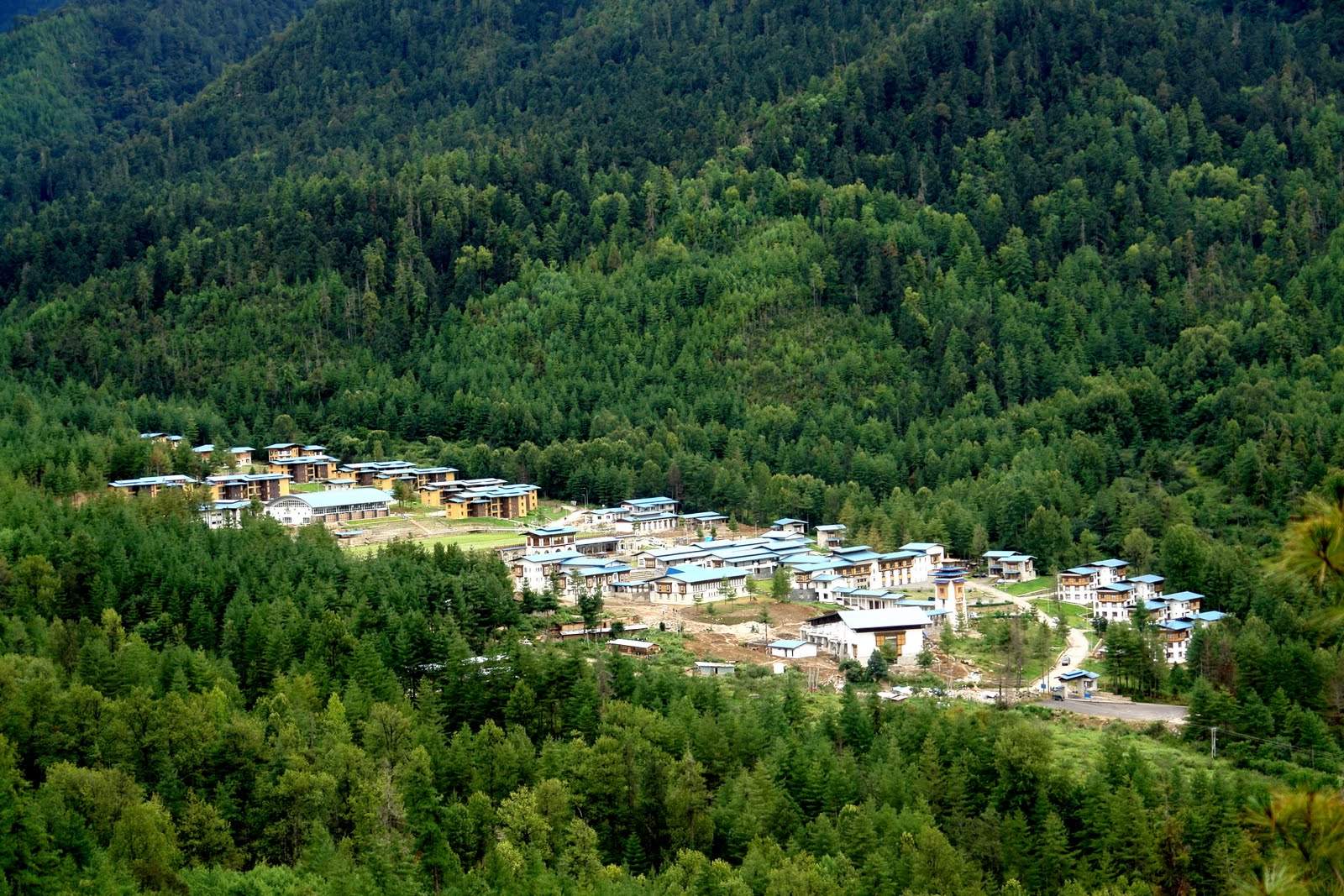
Home for the next four months – I am writing this from the third building down from the top left.

I will be in Bhutan’s capital Thimphu for the next few months observing all things sustainable here. I will sleep and study at Royal Thimphu College (RTC from now on) along with 1800 Bhutanese students and 32 internationals. The college is 30 minutes outside Thimphu, 2500 meters up and 10 years old. At RTC, I will take courses in Himalayan anthropology, attend an internship – most likely in the Centre for Bhutan Studies (CBS) but it is not set in stone yet – and carry out research. Everything I take at RTC, along with the observations and conversations I have here will provide a platform for a project I will write on the subject of what can be learnt in Bhutan and applied in the EU regarding sustainable policy generation and implementation.

I am writing this blog so for three reasons: (1) so that anyone that is interested can also experience a little bit of this fairly closed off country, (2) as a diary of sorts to refer back to when writing up the project, and (3) so that my mum can regularly check that I’m still alive. The blog is therefore part travel blog (what I’m doing/seeing/smelling/tasting) and part academic writing on sustainability, policy and development. I will try to give due notice as to which posts contain what in the title but they will most likely contain a mixture of both.

Just a quick disclaimer: I haven’t written a blog before or in a non-academic style for that matter, so do expect a liberal use of brackets (they kind of stand for extra thoughts I have mid sentence that I don’t have the patience or skill to incorporate neatly within the text), possibly some verbose explanations, especially if I am excited about something I am writing about and please forgive my pretentiousness that may crop up every now and again. I will try to keep posts light and entertaining. My target audience is my mum, dad, girlfriend and future me.

Ideas for future posts are at present:

  • Sustainability and how we treat the dead
  • Bugs in my bathroom (literally pictures of bugs in my bathroom – more entertaining than you think)
  • An in-depth look at Bhutanese phallus paintings
  • Freedom and conformism
  • Drukpa Kunley the world’s maddest monk (will quite possibly be my magnum opus)

So stick around and prepare yourself for some bombastic Bhutanese blogs.